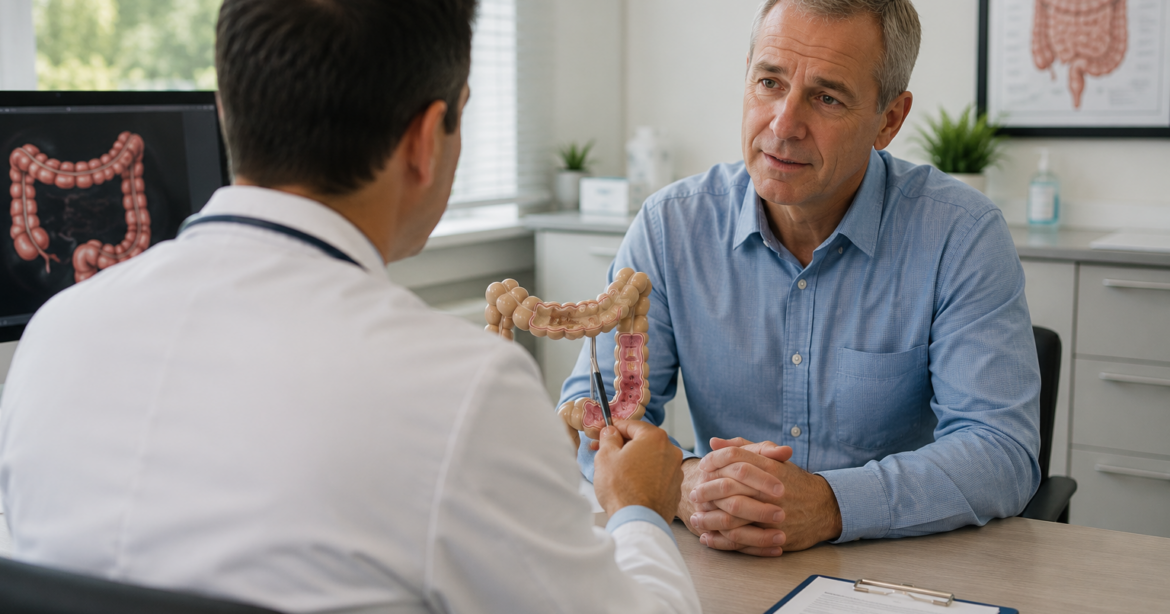
Key Takeaways Bowel obstruction symptoms can include severe abdominal pain, bloating, nausea, vomiting, constipation, and an inability to pass gas. A bowel obstruction occurs when food, fluids, gas, or stool cannot move normally through the intestines. Obstructions may be partial or complete and can occur in either the small intestine…
Read more
Key Takeaways Colonoscopy preparation is one of the most important parts of a successful colonoscopy because a clean colon allows your physician to detect polyps, inflammation, and other abnormalities. Following your preparation instructions carefully improves the accuracy of the procedure and reduces the likelihood of needing to repeat the exam.…
Read more
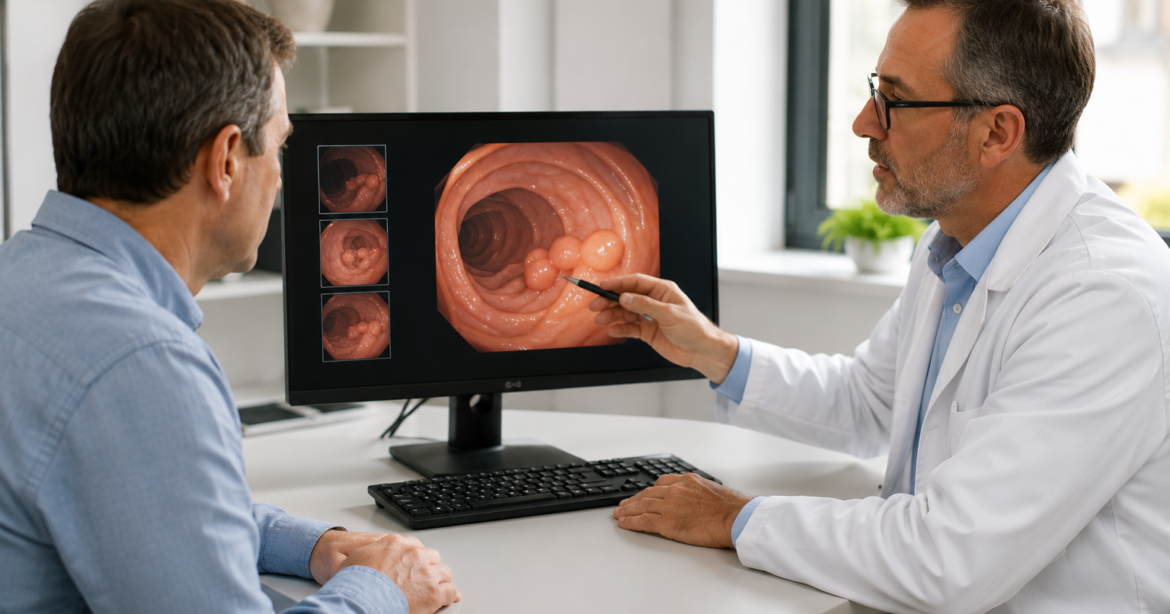
Key Takeaways Colon polyp symptoms are often subtle or completely absent, which is why routine colorectal screening is so important. While many polyps are benign, some can develop into colorectal cancer if left untreated. Symptoms may include rectal bleeding, changes in bowel habits, abdominal discomfort, and unexplained anemia. Colonoscopy remains…
Read more
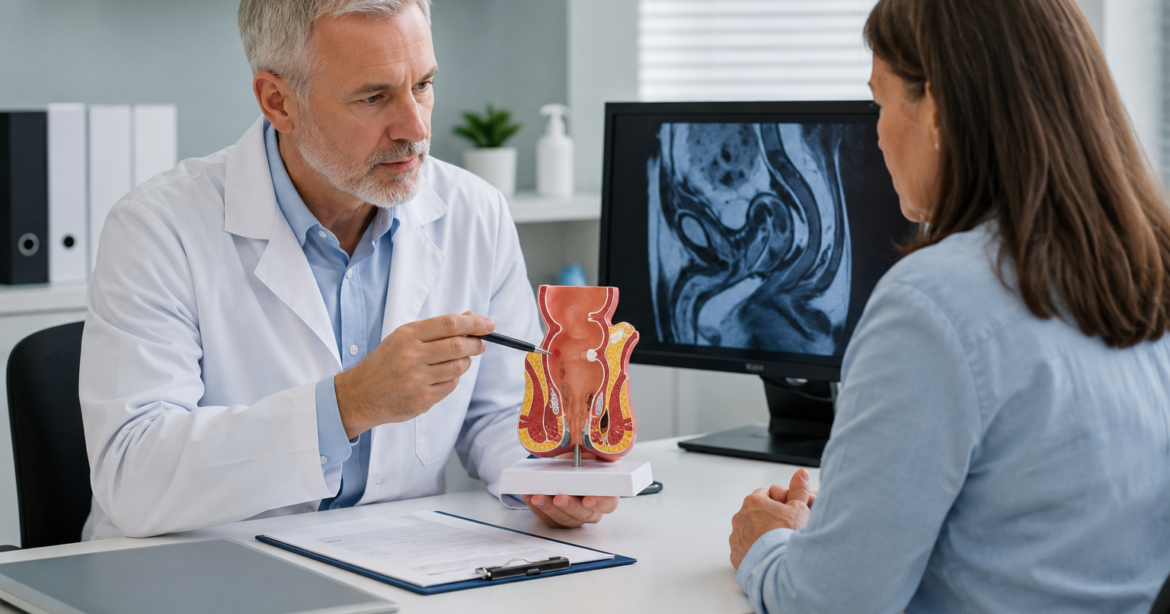
Key Takeaways Rectal prolapse treatment depends on the severity of the condition, the patient’s overall health, and the impact symptoms have on daily life. Rectal prolapse occurs when part or all of the rectum slips outside the anus. Early symptoms may include a feeling of pressure, difficulty controlling bowel movements,…
Read more
Key Takeaways Colorectal cancer screening is one of the most effective tools for preventing colon and rectal cancer because it can identify precancerous polyps before they become dangerous. Most adults should begin screening at age 45, though individuals with family history or other risk factors may need earlier testing. Common…
Read more